Comfort, explained.
Honest guides on heating, cooling and clean air — no jargon, no scare tactics. Just what our family team wishes every homeowner knew.

The Story Behind an Emergency Furnace Rescue in Hamilton
A sudden winter temperature drop can turn a heating failure into a serious safety hazard. Understand what happens during a professional emergency dispatch and when to call for immediate help.
Read the guide →
Locating Hidden Heat Loss Areas Around Your Vents and Registers
The real culprit behind drafty rooms might be unsealed duct boots, not a failing furnace. Learn how to safely spot the visual signs of escaping air before winter hits.
Read →
The Simple Reason Your Furnace Shuts Off After Three Seconds
If your heat kicks on but dies almost instantly, don't panic. This predictable three-second shutdown is actually a built-in safety feature protecting your home from uncombusted gas.
Read →
Navigating Propane vs. Natural Gas Heating Options in Rural Hannon
Finding out your property lacks municipal gas access forces a critical decision. Explore the logistical realities of off-grid heating to keep your home reliably warm through deep Ontario winters.
Read →
Diagnosing a Furnace That Blows Cold Air Instead of Heat
Waking up to a freezing house with a furnace blowing unheated air is stressful. Determine if your system needs a quick thermostat adjustment or a professional component repair.
Read →
Separating Duct Cleaning Myths from Reality for Allergy Sufferers
Standard vent sweeps often agitate settled dust, worsening indoor allergies instead of curing them. See why true relief requires professional-grade negative pressure and source removal.
Read →
Why Your Home Needs a Whole-House Humidifier When the Furnace Runs
Constant furnace operation can drop indoor humidity below 30%. A whole-house bypass humidifier automatically restores balance, eliminating static shocks and the daily chore of filling portable units.
Read →
Single-Stage vs. Two-Stage Gas Furnaces for Hamilton Winters
Stop battling stubborn cold spots and extreme temperature shifts. See exactly how upgrading to a modern heating system delivers consistent, reliable warmth all season.
Read →
Upgrading to MERV 13 Filters Before Cold and Flu Season
High-efficiency filters trap viruses, but they can also destroy your blower motor. Understand the mechanical limits of your HVAC system before making the switch.
Read →
Decoding the Banging Sound in Your Ductwork When the Heat Kicks On
That startling pop from your vents is likely oil-canning, a loud metal flexing caused by sudden pressure changes. Find out if your system needs an airflow adjustment to quiet down.
Read →
Flushing Your Hot Water Tank Before Winter Demand Spikes
As temperatures drop, sediment buildup in your water heater acts as a thick insulator against cold groundwater. Clearing this out early ensures uninterrupted hot water.
Read →
Programming Your Thermostat for Ontario's Unpredictable Fall Temperature Swings
Stop manually toggling between heat and cool during wild September weather. Proper auto-changeover settings keep your home comfortable 24/7 while preventing HVAC wear and tear.
Read →
Upgrading Heating Systems in Stoney Creek Waterfront Properties
If your lakefront home feels drafty despite the furnace running constantly, a standard unit might not be enough. Learn how two-stage heating defeats harsh shoreline winds.
Read →
Why Early Fall is the Only Time to Schedule Preventative Furnace Maintenance
Avoid the logistical nightmare of a sudden November freeze. Discover why booking your furnace tune-up in September ensures a thorough inspection and zero wait times.
Read →
Are Cold-Climate Heat Pumps Ready to Replace Gas Furnaces in Ontario?
When winter temperatures plummet, deciding between a full gas furnace replacement and a dual-fuel heat pump is critical. Explore the reality of sub-zero heating.
Read →
What to Do When Your Furnace Locks Out on a Cold September Night
An early-fall furnace shutdown is a vital safety mechanism, not just a glitch. Find out which basic external checks are safe to perform and when a lockout demands a professional.
Read →
That Burning Smell When You Turn On the Furnace for the First Time
Turning on your heating system after summer often produces a smoky odor. Here is how to tell if it's harmless dust burning off or a dangerous electrical issue requiring a professional.
Read →
Calculating the Real-World Energy Savings of Upgrading from 10 SEER to 16 SEER
Many homeowners wonder if replacing an aging air conditioner makes financial sense. We break down the math so you can find your exact energy reduction and payback timeline.
Read →
How Industrial Dust Compares to Typical Wear on Hamilton AC Condensers
Living near Hamilton's manufacturing zones exposes your AC to abrasive airborne fallout. Find out if your property needs a specialized maintenance schedule to prevent accelerated condenser failure.
Read →
Diagnosing Lukewarm Water Showers in Homes with Gas Water Heaters
A sudden drop in hot water capacity isn't a random fluke. Discover how a broken dip tube or heavy sediment buildup impacts your gas water heater and when to call for professional diagnosis.
Read →
The First Signs Your Heat Exchanger Might Be Failing
Your furnace should operate safely in the background. If you notice a flickering yellow flame or metallic odors, it's time to act before the carbon monoxide alarm sounds.
Read →
Whole-Home Dehumidifiers vs. Portable Units for Damp Hamilton Basements
Struggling with high humidity and noisy plug-in appliances in your finished lower level? Find out if an HVAC-integrated dehumidifier is the better long-term fix.
Read →
Sizing HVAC Systems for New Builds in Caledonia's Expanding Subdivisions
New homes are perfectly sealed, but if the indoor air feels damp, your builder-grade AC is likely oversized. Proper load calculations match your home's true thermal envelope.
Read →
How We Earned a Customer's Trust After Three Other Companies Failed
When your HVAC system constantly short-cycles despite multiple repairs, replacing parts isn't enough. Discover why a true root-cause diagnostic is the only way to permanently solve chronic breakdowns.
Read →
Why Topping Up Your AC Refrigerant is a Band-Aid, Not a Fix
When your air conditioner blows warm air, a quick recharge seems like an easy fix. Here is why a simple top-up wastes resources and how finding the actual leak restores cooling permanently.
Read →
Identifying Leaky Ducts as the Real Reason Your Upstairs is Sweltering
If your main floor is freezing while the second floor stays hot, your AC equipment might not be failing. Hidden duct leaks often destroy upstairs airflow before it ever reaches the vents.
Read →
The Truth About 24/7 AC Repair Guarantees in the HVAC Industry
Calling for emergency cooling help at 2 AM often leads to an off-site answering service, not a technician. Here is how to verify a contractor's true after-hours readiness.
Read →
Why We Employ Dedicated HVAC Customer Service Reps (And Why It Matters to You)
When your furnace fails on a sub-zero night, a generic answering service isn't enough. We explain our operational decision to use trained, in-house triage reps to get you faster help.
Read →
What to Expect on Installation Day When Replacing Both Furnace and AC
A simultaneous HVAC replacement often requires 8 to 14 hours of continuous work. Plan your household logistics around the crew's schedule and utility downtimes for a stress-free installation day.
Read →
How Wildfire Smoke Affects Your HVAC Filter Lifespan in Southern Ontario
Summer wildfire smoke can clog a standard pleated filter in a matter of weeks. See why relying on the calendar during air quality advisories puts your HVAC system at risk.
Read →
Why Smart Thermostats Struggle with Variable-Speed HVAC Systems
Installing an off-the-shelf smart thermostat on a high-end variable-speed furnace can accidentally downgrade your entire system. Find out which controls actually work.
Read →
The Hidden Cost of Skipping Your Annual AC Coil Cleaning
That harmless-looking layer of dust on your outdoor AC unit acts as a powerful insulator. It traps heat, forces the compressor to run longer, and silently drives up your summer hydro bills.
Read →
Diagnosing That Loud Screeching Noise When Your AC Starts Up
Hearing a terrifying mechanical scream from your condenser? Shut the system down immediately to prevent catastrophic failure, and learn whether your fan motor or compressor is to blame.
Read →
Managing Airflow Issues in Hamilton Mountain Split-Level Homes
Sweltering upper bedrooms and freezing lower floors are common in 1970s split-levels. We explore professional solutions to balance your home's temperature without a destructive ductwork tear-out.
Read →
Tankless Water Heaters vs. Traditional Tanks for Large Hamilton Families
Endless hot water doesn't mean unlimited simultaneous hot water. We break down the math behind flow rates and tank recovery so your large family never runs out during morning showers.
Read →
Why SEER Ratings Can Be Misleading for Two-Story Homes in Hannon
Upgrading to a high-efficiency AC won't automatically cool down a sweltering second floor. Understand the difference between equipment power and air distribution to finally achieve even cooling.
Read →
Why We Tell Hamilton Homeowners to Test Their Furnace in August
The transition to fall in Southern Ontario is rarely predictable. Running a quick 15-minute furnace test at your thermostat now ensures you aren't left freezing during a September cold snap.
Read →
Deciding Whether to Repair a Freon-Leaking AC in 2026
When an older R-22 air conditioner loses its refrigerant, a quick patch is rarely the smart solution it once was. We explore the compounding risks of keeping an obsolete system on life support.
Read →
The Danger of Oversized Air Conditioners in Well-Insulated Ontario Homes
Upgrading to a larger air conditioner might seem smart, but in modern homes, it often creates a cold, clammy environment. See why proper load calculation matters more than raw cooling power.
Read →
Why Your AC Runs Constantly But Never Reaches the Set Temperature
Is your thermostat stuck at 78 degrees while the cooling system runs endlessly? We explore the mechanical reasons behind this cooling stall and when you need professional help.
Read →
Navigating Duct Retrofits in Older Caledonia Century Homes
Adding modern central cooling to a historic property doesn't mean destroying your original plaster. Explore specialized, low-impact AC strategies that preserve your home's heritage.
Read →
How Our Free 1-Year Maintenance Plan Changes Your First Summer with a New AC
A new air conditioning system isn't a static appliance—it physically settles into your ductwork. See why proactive recalibration is required for peak efficiency.
Read →
What Actually Constitutes an After-Hours HVAC Emergency in Hannon
A sudden furnace breakdown on a freezing winter night is stressful. Determine if your system failure requires immediate after-hours dispatch or if it can safely wait.
Read →
That Vinegar Smell From Your Vents: Diagnosing a Clogged Condensate Drain
A sudden sour odor blowing through your home often points to algae buildup, not a refrigerant leak. Find out why your AC smells like vinegar and how clearing the drain line solves it.
Read →
Why Hamilton Homeowners Are Trapped in Water Heater Rental Contracts (And How to Buy Out)
Inheriting a restrictive water heater rental agreement is incredibly frustrating. We break down the math to help you calculate your break-even point and legally buy out your contract.
Read →
Dealing with Lake-Effect Humidity in Stoney Creek Homes
Lowering the thermostat won't fix a cold, clammy house. Understand why standard AC units struggle with Lake Ontario's heavy moisture and what it takes to actually solve the problem.
Read →
Does an 18 SEER AC Actually Pay Off in Ontario's Short Summers?
Generic energy savings claims are based on year-round heat, not our local climate. We break down the actual math so you can see if an 18 SEER unit makes financial sense.
Read →
Why Your AC Blew Warm Air During the Hamilton Heatwave (And What to Check Before Calling Us)
When your cooling system fails during a peak July heatwave, panic sets in quickly. Use our 5-step troubleshooting checklist to find out if you need an emergency repair or just a new filter.
Read →
How an Honest HVAC Estimate Is Actually Built
Two quotes for the same furnace can be thousands of dollars apart. Here's every line that should be in an estimate, what each one is for, and the questions that separate a fair quote from a padded one.
Read →
The Ultimate Guide to Rebates for AC Replacement in Ontario
Discover what rebates reduce AC replacement cost in Ontario with our 2026 guide to Ontario energy incentives and heat pump savings.
Read →
How to Compare Heat Pump vs AC Maintenance
Discover how to compare heat pump vs AC maintenance and learn if do heat pumps need different maintenance than ac units for year-round efficiency.
Read →
How Dirty Ductwork Impacts Indoor Air Quality in Canadian Homes
Discover how dirty ductwork affects indoor air quality in Canadian homes and improve your ventilation system for cleaner, healthier air.
Read →
How to Fix Dirty Condenser Coil Symptoms Fast
Learn how to fix dirty condenser coil symptoms and how to fix them fast with our Hamilton AC maintenance guide for better cooling efficiency.
Read →
The Ins and Outs of Your AC’s Indoor Air Handler vs Outdoor Condenser
Learn the difference between the indoor air handler and outdoor condenser unit to keep your Hamilton home cool and efficient all summer long.
Read →
Why Hamilton Homes Feel Muggy in July and Bone-Dry in January
Lake Ontario gives Hamilton sticky summers and static-shock winters. Here's what humidity is doing to your comfort in each season — and the affordable fixes, from smarter AC settings to whole-home humidifiers.
Read →
Hard Water 101: Why It Affects Home Appliances
Discover what is hard water and why does it affect home appliances like water heaters in Hamilton. Learn prevention tips now!
Read →![Heat Pump Not Switching Heating/Cooling? Fix in [City]](https://pms.ciwebgroup.com/bgheating/wp-content/uploads/sites/1152/2026/07/heat-pump-not-switching-heatingcooling-fix-in-city-image.jpg)
Heat Pump Not Switching Heating/Cooling? Fix in [City]
Fix your heat pump not switching between heating and cooling mode. Troubleshoot reversing valve issues, solenoid failures & get Hamilton pro tips now!
Read →
How Often Should a Heat Pump Be Serviced in Canada?
Discover how often should a heat pump be serviced in Canada for max efficiency, biannual tips & cold climate care. Boost performance now!
Read →
Canada Greener Homes Grant Eligibility for Heat Pump Installation Ontario 101
Discover Canada Greener Homes Grant for heat pump installation Ontario eligibility, rebates, steps & incentives for efficient upgrades. Apply now!
Read →
How Maintenance Extends AC Life in Canadian Winters
Discover how maintenance extends AC life in a four season Canadian climate. Boost longevity, efficiency & reliability with expert tips for Hamilton homes.
Read →
A – Z Guide to Mini Split Not Heating Well in Cold Ontario Weather
Fix your mini split not heating well in cold Ontario weather. Troubleshoot filters, defrost cycles, ice buildup & upgrade to cold-climate tech.
Read →
How to Install a Mini Split in 8 Easy-to-Follow Steps
Learn how is a mini split installed step by step in 8 easy steps: indoor setup, outdoor condenser, lines, testing & more for zoned comfort.
Read →
7 Signs Your AC Is Asking for Help (and What Each One Means)
Warm air, ice on the lines, breaker trips, mystery puddles — your air conditioner usually announces trouble before it quits. Here's how to read each signal and which ones mean 'shut it off now.'
Read →
Can a Ductless Mini Split Handle a Southern Ontario Winter?
Discover if a ductless mini split can handle a Southern Ontario winter. Learn cold-climate performance, sizing tips & efficiency strategies for Hamilton homes.
Read →
Mineral Buildup 101: How It Destroys Water Heaters in Hard Water Areas
Discover how mineral buildup destroys a water heater faster in hard water areas. Learn prevention tips & repair signs now!
Read →
Tankless vs Tank Water Heater: Ontario Homeowners Guide
Discover tankless vs tank water heater comparison for Ontario homeowners: efficiency, reliability in winters, maintenance, and installation tips.
Read →
Water Heater Lifespan in Southern Ontario 101
Discover how long does a water heater last in Southern Ontario. Learn lifespans, signs of failure & tips to extend yours in Hamilton GTA.
Read →
Do You Need a Permit for Mini Split in Ontario?
Do you need a permit to install a mini split in Ontario? Learn municipal, ESA & TSSA rules, DIY risks & pro services for compliance.
Read →
How to Maintain a Ductless Mini Split in Canadian Winters
Learn how to maintain a ductless mini split in a Canadian climate: winter-proofing, filter cleaning, snow removal & pro tune-ups for efficiency.
Read →
What Are the Benefits of Ductless Mini Splits in Ontario?
Discover what are the benefits of a ductless mini split system in Ontario: zoned comfort, energy savings, quiet operation & cold-climate heating.
Read →
How Does a Heat Pump Work for Heating and Cooling?
Discover how does a heat pump work for heating and cooling. Learn efficiency, components, maintenance & cold climate performance for Ontario homes.
Read →
Step-by-Step Guide to Heat Pump Defrost Cycle for Ontario Homeowners
Discover how heat pump defrost cycle explained for Ontario homeowners works step-by-step. Manage frost, spot issues, and boost efficiency in harsh winters.
Read →
What a New Furnace Really Costs in Ontario — An Honest Breakdown
No mystery pricing: the real ranges for a furnace replacement in the Hamilton area, what pushes a job to the top of the range, and where it's smart (and dumb) to save.
Read →
Average Lifespan of Central AC in Ontario
Discover the average lifespan of a central air conditioner in Ontario: 12-15 years. Learn maintenance tips, warning signs & when to replace.
Read →
AC Leaking Water Inside House: What Causes It?
Discover why ac leaking water inside the house—what causes it—from clogs to frozen coils. Fix leaks fast with troubleshooting tips!
Read →
About B & G Heating: Your Local HVAC Experts
Choosing B & G Heating Air Conditioning & Ventilation for my HVAC needs was a smart decision. Their expertise and excellent service guarantee comfort and reliability for my home.
Read →
The Definitive Guide to AC Repair vs Replace
Use this AC repair vs replace decision guide to decide if repairing or replacing your central AC is best. Factors, rules & signs revealed.
Read →
Why Does My AC Keep Turning On and Off? Dallas Fix Guide
Discover why your AC keeps turning on and off, what is wrong, and fix short cycling fast with our Dallas troubleshooting guide.
Read →
Cold-Climate Heat Pumps: What Changed, and What -20°C Really Looks Like
The heat pumps of 2005 earned their bad winter reputation. The cold-climate units we install today are a different machine. Here's the plain-English version of what changed — and their honest limits.
Read →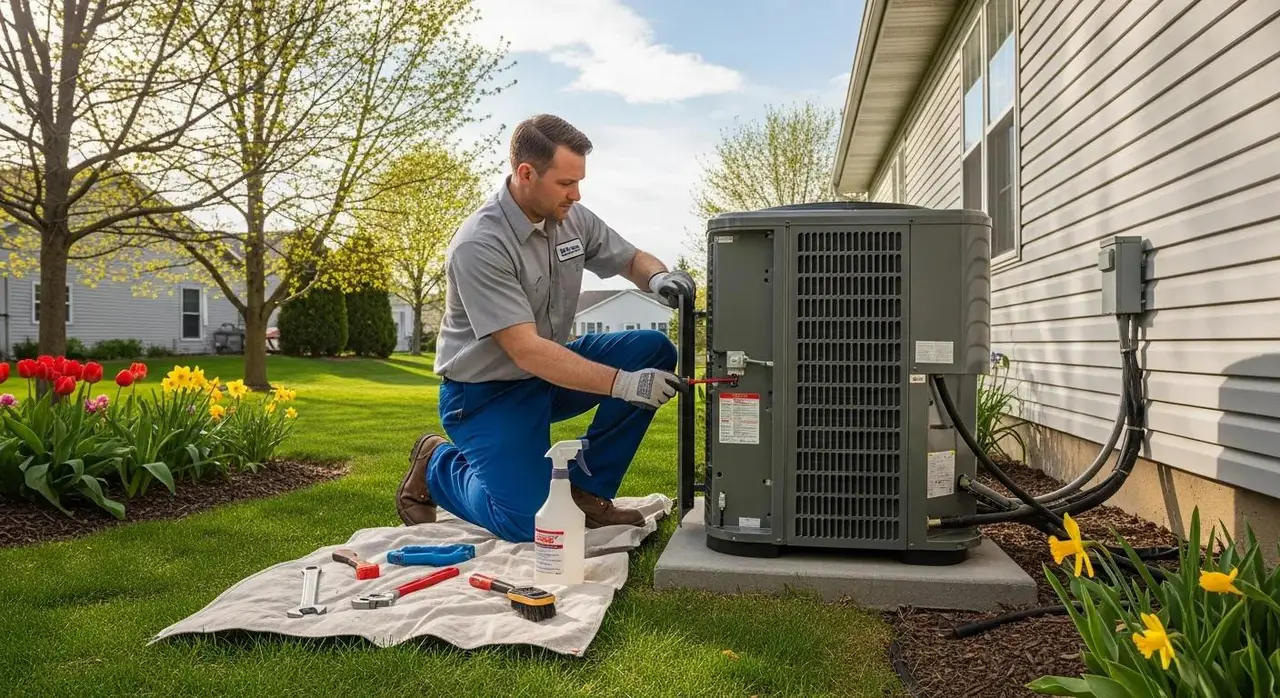
The 20-Minute Spring AC Check Any Homeowner Can Do
Before the first heat wave hits the GHA, give your AC this simple once-over. Ten steps, no tools beyond a garden hose and a new filter — plus a clear list of what to leave to a licensed tech.
Read →
Spring Air Conditioner Tune-Up Checklist
Get my air conditioner ready for the heat! Follow my ultimate spring tune-up checklist to ensure efficient cooling and optimal performance all summer long.
Read →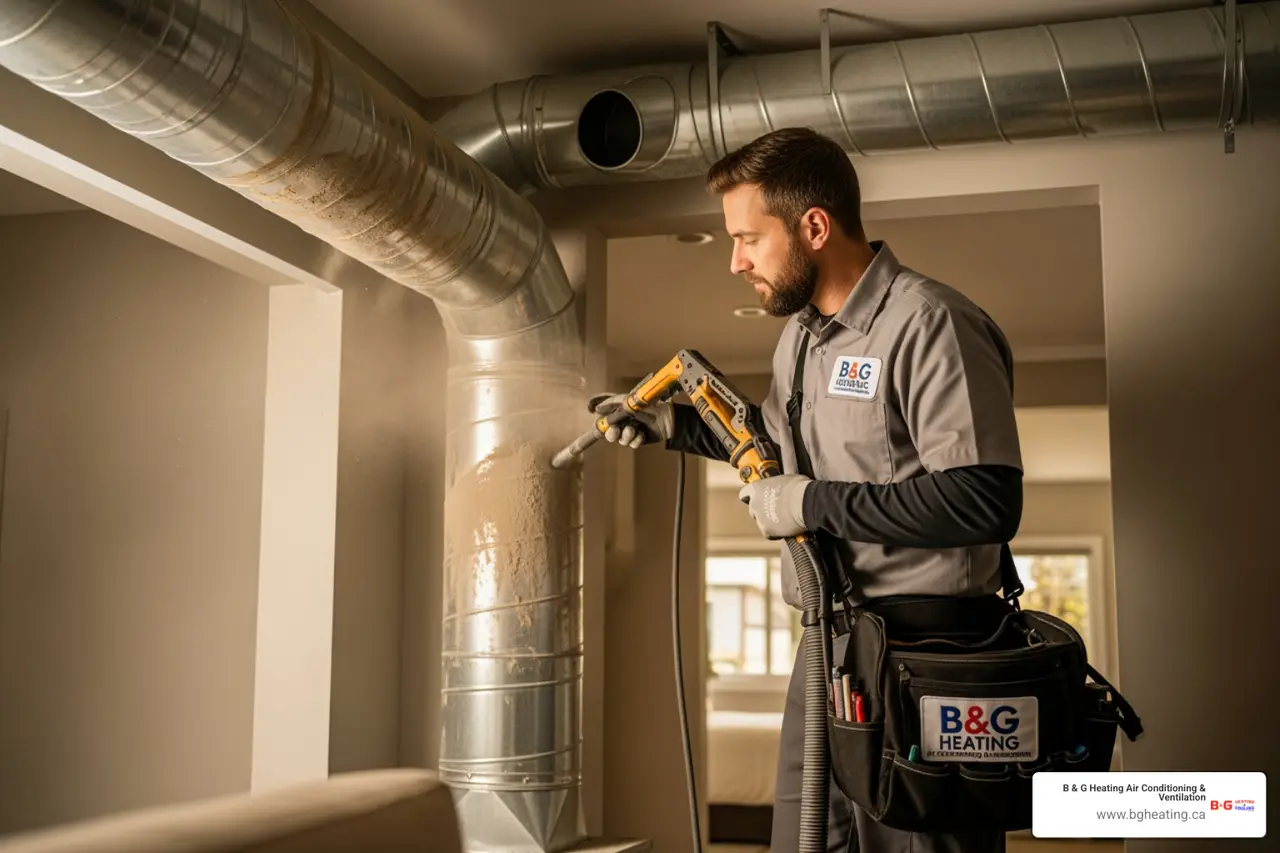
Duct Sealing: The Efficiency Upgrade Nobody Talks About
Typical homes lose 20–30% of their heated and cooled air through duct leaks — paying full price for comfort that never arrives. Why the least glamorous HVAC upgrade has some of the best returns.
Read →
HRVs Explained: Why Tighter Hamilton Homes Need Ventilation Help
Modern homes are built airtight to save energy — then struggle with condensation, stale air, and lingering odours. Heat recovery ventilators fix the breathing problem without throwing the heat away.
Read →
Heat Pump vs. Furnace: What Actually Works in a Hamilton Winter
Gas furnace, cold-climate heat pump, or both? A straight comparison built around Hamilton's real winter — operating costs, comfort differences, and the hybrid setup most of our customers land on.
Read →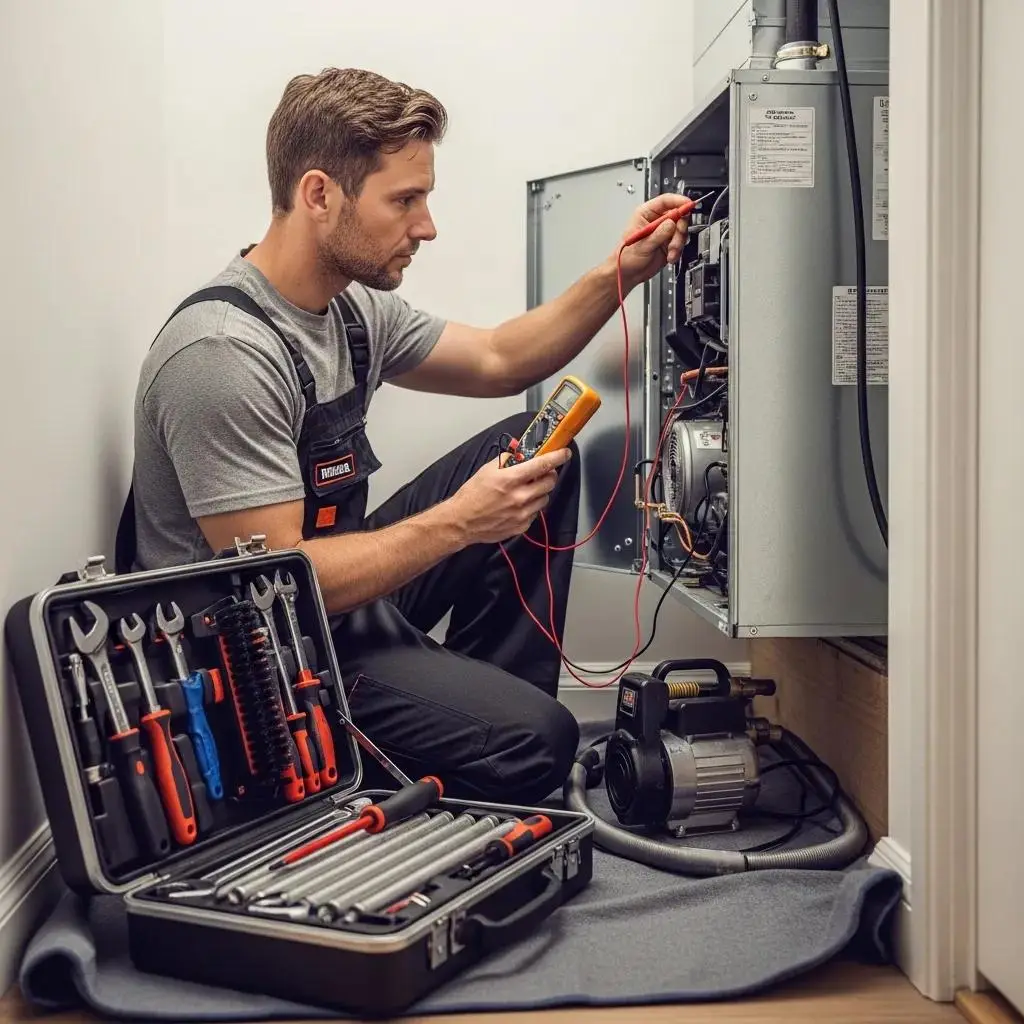
Are HVAC Maintenance Plans Worth It? Here's Our Honest Math
We sell maintenance plans, so grade our homework: here's exactly what annual maintenance prevents, what it costs versus paying per visit, and the two kinds of homeowners who shouldn't bother.
Read →
Maximize Your Home’s Comfort with Effective HVAC Zoning
Maximize your home’s comfort with effective HVAC zoning. Experience personalized climate control and energy savings with our multi-zone HVAC solutions today!
Read →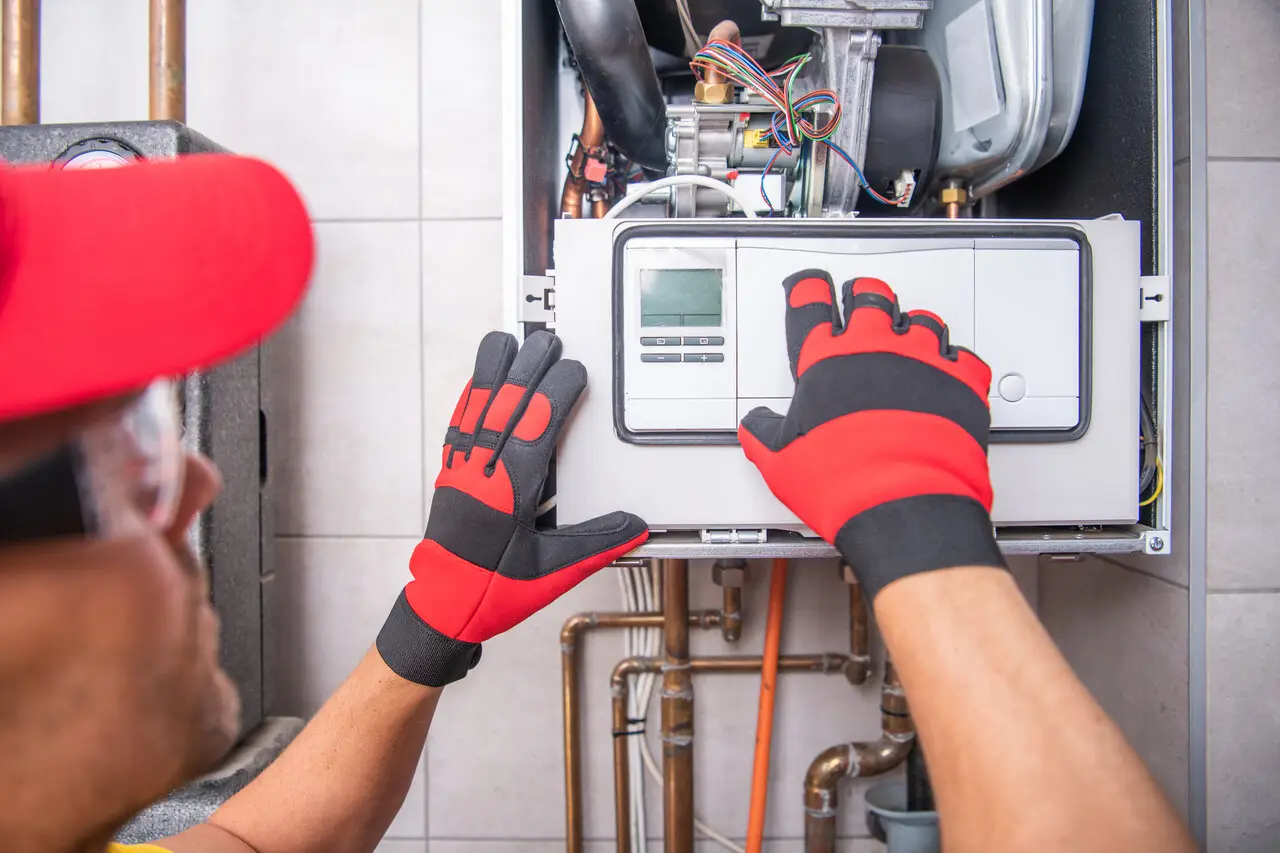
Furnace Running But Not Blowing Hot Air? Start Here
Blower's going, house is cold. Before you book a service call, walk through these six checks — about half the 'no heat' calls we run end up being something the homeowner could've fixed in five minutes.
Read →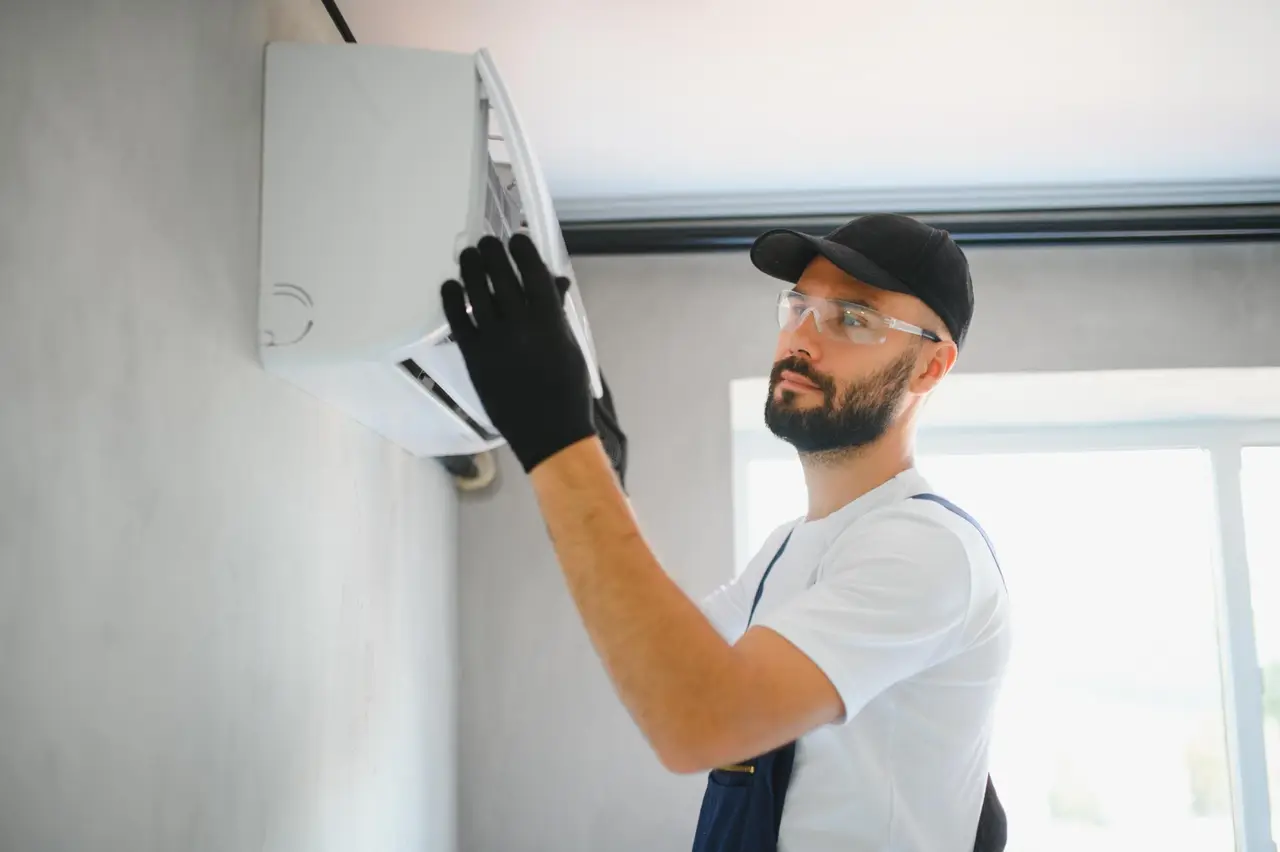
How Often Should You Really Replace Your Furnace Filter?
The box says 90 days. Reality says it depends — on pets, dust, filter thickness, and the season. Here's the honest schedule, plus the two-second test that beats any calendar rule.
Read →
Preparing Your Hamilton Home for Winter Heating
Optimize your home heating this winter with our expert Hamilton guide. Save energy and reduce costs while staying warm and comfortable all season long.
Read →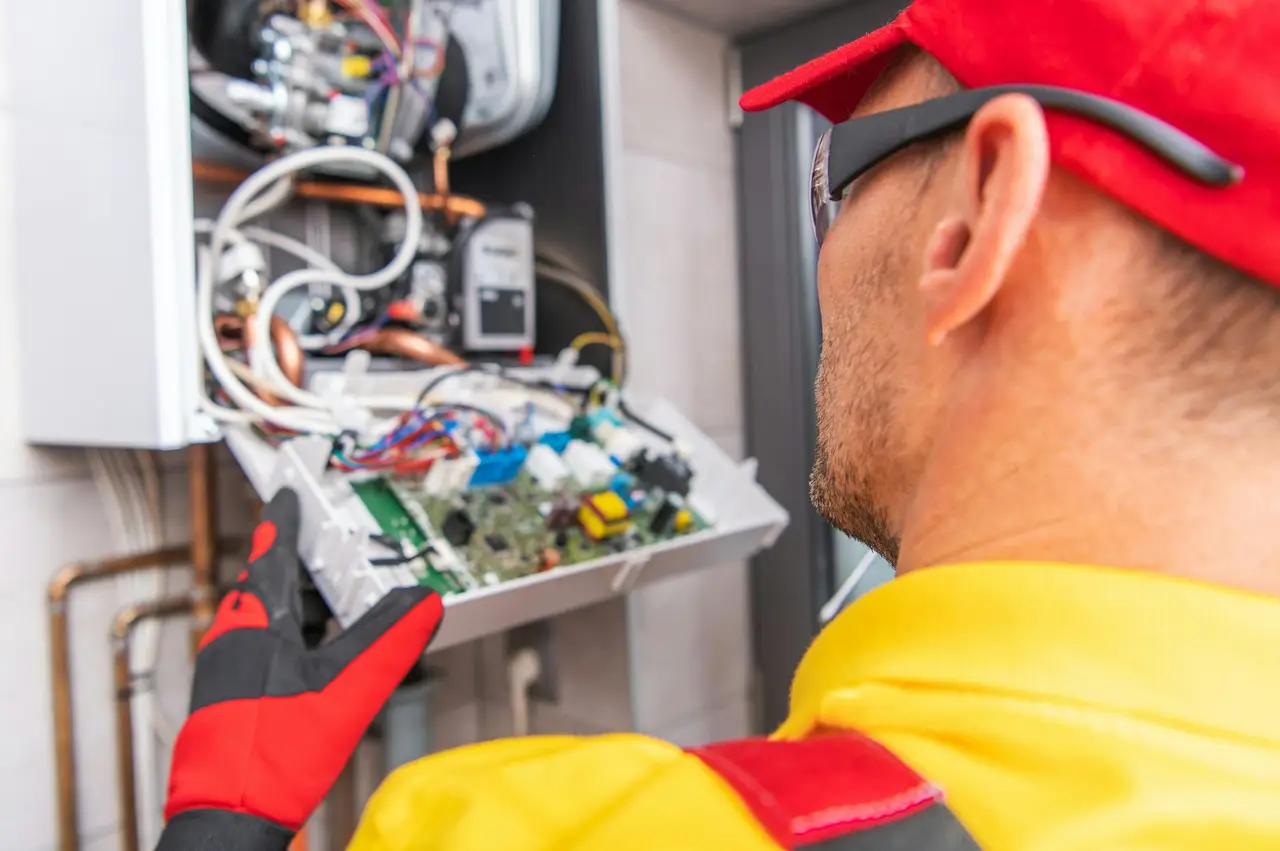
No Heat at 2 A.M.? What to Do Before You Call (and What Counts as an Emergency)
A calm, step-by-step plan for the mid-night no-heat wake-up: protect the pipes, check the quick fixes, know when it's safe to wait for morning — and when to use the 24/7 line without guilt.
Read →
Maximize Efficiency with Preventative HVAC Maintenance Tips
Enhance your home’s efficiency with essential preventative HVAC maintenance tips. Learn how regular care of your furnace can cut costs and boost comfort.
Read →
Solve Common Furnace Problems: Expert Repair Solutions
Ensure your home stays warm! Tackle common furnace problems with expert troubleshooting tips and reliable repair solutions for a cozy winter.
Read →
Understand Heat Pump Efficiency: SEER Rating Explained
Unlock the secrets of heat pump efficiency by understanding SEER and HSPF ratings. Improve your home’s comfort while saving energy and costs today!
Read →
What to Do When Your Furnace Won’t Turn On in Binbrook
A winter morning in Binbrook can be tough enough without finding out your furnace will not turn on. When it is freezing outside and your home starts to feel just as cold, it is important to act fast. Whether you are getting ready for the day or returning home after work, a broken furnace is […]
Read →
Troubleshooting Furnace Ignition Problems in Hamilton
As the cold weather starts to make itself known in Hamilton, many homeowners turn to their furnaces to keep indoor temperatures comfortable. When your heating system suddenly fails to start or doesn’t produce heat as expected, it’s frustrating and inconvenient, especially during the lead-up to colder months. One of the most common problems with furnaces, […]
Read →
Signs Your Old Furnace Needs Replacement in Burlington
Colder months in Burlington bring a sharp reminder of how much we rely on our furnaces. When working well, they keep homes consistently warm, day and night. But when they start to fail, the signs are not always obvious at first. That is why staying alert to the warning signals of a worn-out furnace can […]
Read →
Common Furnace Issues Before Winter Arrives in Grimsby
As cold weather approaches, homeowners in Binbrook start turning their attention to the heating systems that keep their homes warm through the freeze. Among these systems, the furnace plays a major role. If it’s not working properly, you might find yourself facing discomfort, high bills, or even a complete system breakdown at the worst possible […]
Read →
Managing AC Condensate Drain Line Clogs in Grimsby
When your air conditioner in Grimsby suddenly stops running as expected or you find damp spots forming around the unit, the problem might not be with the system’s cooling ability. One overlooked part that can create serious issues is the condensate drain line. This small but essential component handles the moisture your AC pulls from […]
Read →
What to Do When Your AC Makes Grinding Noises in Binbrook
Hearing a grinding noise from your AC unit can be more than just annoying — it is often a sign that something inside the system is starting to wear out or break down. These sounds should not be ignored, especially during the summer months when Binbrook homes rely heavily on air conditioning to stay cool. […]
Read →
How to Address Foul Odours Coming From Your AC in Hamilton
When your AC kicks on and instead of feeling relief from the summer heat, you’re hit with a strange or unpleasant odour, it’s hard to ignore. Many homeowners in Hamilton deal with this issue every year, especially during the peak of AC usage in the warmer months. Whether the smell is musty, burning, or even […]
Read →
Solving Thermostat Communication Issues With Your AC in Burlington
A thermostat that doesn’t communicate properly with your AC system can quickly throw off the comfort of your home, especially during a hot summer in Burlington. When the thermostat and cooling equipment stop working together as they should, the entire system can struggle to keep up. That means uneven temperatures, a unit that turns on […]
Read →
Common AC Filter Problems and Solutions in Grimsby
When your air conditioner doesn’t seem to be doing its job during a hot Grimsby summer, the filter might be the last thing you think to check. But AC filter problems are more common than you might expect, and ignoring them can lead to poor air flow, bad cooling performance, or even damage to the […]
Read →
Fixing AC Refrigerant Leak Issues in Binbrook
When an air conditioner starts losing refrigerant, it will not work the way it should. In Binbrook, where summers can push your cooling system to its limit, even a minor refrigerant leak can create uncomfortable indoor temperatures fast. Many homeowners first notice a problem when their AC starts blowing warm air or their energy bill […]
Read →
Troubleshooting a Frozen AC Unit in Burlington
When summer temperatures climb in Burlington, your air conditioner should be keeping your home cool and comfortable. But if your unit starts losing power, blowing warm air, or acting oddly, you might be dealing with a frozen AC system. This issue can catch homeowners off guard, especially when things appear to be functioning normally at […]
Read →
How to Resolve Frequent AC Cycling Problems in Grimsby
When an air conditioner starts turning on and off more than usual, it’s a clear sign something’s off. This pattern, known as short cycling or frequent cycling, isn’t just annoying—it affects the efficiency of your unit, wears down parts faster, and can lead to uncomfortable temperature swings. For many homeowners in Grimsby, frequent AC cycling […]
Read →
5 Warning Signs Your AC Needs Replacement in Burlington
When your air conditioner starts acting up in the middle of summer in Burlington, it’s more than just inconvenient. It affects your day-to-day comfort and may even point to an underlying problem that’s building up behind the scenes. Sometimes, constant issues with an AC unit aren’t just temporary — it might be time to think […]
Read →
Why Your AC Is Dripping Water Indoors in Binbrook
If you have noticed water dripping from your air conditioning unit inside your home, you are not alone. This is a common issue for many homeowners in Binbrook during the summer. When it is hot outside, your AC works hard to keep your indoor space cool, and that process creates condensation. Normally, that moisture drains […]
Read →
Addressing Uneven Cooling Issues in Your Hamilton Home
When your home in Hamilton doesn’t cool evenly, hot spots and temperature differences between rooms can quickly become frustrating. Whether you’re dealing with a stuffy bedroom while the living room feels fine or struggling with an upstairs area that never seems to cool properly, uneven cooling can make it difficult to stay comfortable. This issue […]
Read →
Improving Home Air Flow with Proper Ventilation in Burlington
Ensuring proper ventilation in your Burlington home is crucial for creating a comfortable and healthy living environment. As homes become more energy-efficient and airtight, it is essential to maintain good air flow to prevent indoor air from becoming stagnant. Proper ventilation helps to control humidity, reduce pollutants, and improve air quality, making your home more […]
Read →
Essential Spring AC Maintenance Tips in Grimsby
Spring in Grimsby signals the perfect time to prepare your air conditioning system for the warmer months ahead. As temperatures rise, ensuring your AC unit is in top shape becomes an essential task for maintaining a comfortable indoor environment. Proper maintenance not only enhances the efficiency of your cooling system but also extends its lifespan, […]
Read →
Questions to Ask Before Hiring an HVAC Professional in Binbrook
When it comes to maintaining a comfortable home environment, hiring the right HVAC contractor is crucial. This process ensures that your heating and cooling systems function efficiently, providing comfort and dependability throughout the year. However, the decision of who to hire shouldn’t be taken lightly, as it involves trusting a professional with key aspects of […]
Read →
Key Steps in Professional AC System Installation in Binbrook
As the seasons change and warmer weather approaches Binbrook, ensuring your home is equipped with an efficient air conditioning system becomes essential. A professionally installed AC unit not only provides comfort during the hot months but also enhances the overall air quality and energy efficiency of your home. Understanding the steps involved in a professional […]
Read →
Why Your AC Is Not Cooling Effectively in Binbrook
As the warmer months approach in Binbrook, having an air conditioning (AC) unit that functions properly becomes essential for maintaining comfort in your home. However, if your AC is not cooling effectively, it can be frustrating and uncomfortable. Understanding the common reasons behind this issue can help you address the problem quickly and efficiently. A […]
Read →
Signs of Leaky Air Ducts and Their Impact in Hamilton
Air ducts play a crucial role in ensuring the proper distribution of heating and cooling throughout homes in Hamilton. When these ducts are in good condition, they efficiently deliver air from the HVAC system to every room, maintaining a comfortable environment. However, when there are leaks, this efficiency is compromised, leading to various issues that […]
Read →
How Proper Ventilation Improves Indoor Air Quality in Grimsby
Indoor air quality is crucial for living in a healthy and comfortable environment. When air quality dips, you might experience discomfort, allergies, or even long-term health issues. In Grimsby, maintaining clean air inside homes and businesses is essential, especially considering the area’s weather dynamics. Proper ventilation is a key factor in ensuring that the air […]
Read →
Understanding Water Heater Pilot Light Problems in Binbrook
In Binbrook, having a reliable water heater is crucial for ensuring comfort and convenience in homes. As temperatures drop during the colder months, the need for consistent access to hot water becomes even more essential. A properly functioning water heater allows families to enjoy daily activities such as showering, cooking, and cleaning without interruption. However, […]
Read →
Why Your AC Unit Makes Strange Noises and What They Mean in Binbrook
Experiencing strange noises from your air conditioning unit can be unsettling. Residents of Binbrook may hear mysterious sounds from their AC units and wonder if it’s normal. These noises can range from annoying to alarming, but they all signal that something might be amiss with your air conditioner. Addressing these issues quickly is crucial. Unusual […]
Read →
How to Ensure a Smooth AC Installation Process
Installing an air conditioning system is a significant step towards enhancing comfort in your home. To ensure a smooth and successful AC installation, a clear understanding of the process is vital. This involves preparing your home environment, selecting the right AC unit, and coordinating effectively with installation professionals. Preparing Your Home for AC Installation Preparing […]
Read →
Understanding When You Need Furnace Repair Services
A well-functioning furnace is essential for maintaining a comfortable and safe home environment, especially during the colder months. However, like any other appliance, furnaces can develop problems over time. Being aware of the early warning signs and knowing when to seek professional help for furnace repair can prevent minor issues from escalating into costly repairs […]
Read →
Why Regular Furnace Service Extends Your System’s Life
Regular furnace service is crucial for maintaining a comfortable and safe home. Ensuring that your furnace operates efficiently not only keeps your living spaces warm during cold seasons but also helps in preventing unexpected breakdowns. Regular maintenance can significantly prolong the lifespan of your furnace, saving you from costly replacements. The Importance of Regular Furnace […]
Read →
Key Benefits of Regular Furnace Maintenance by Our Professionals
Maintaining your furnace regularly is crucial for ensuring a comfortable and warm home. Without proper maintenance, your furnace can encounter issues that might lead to inefficient performance, unexpected repairs, or even complete breakdowns. Recognizing the benefits of regular furnace maintenance can save you both time and money in the long run. Improved Efficiency and Performance […]
Read →
When to Call Our Experts for Heating Repair Services
A well-functioning heating system is essential for maintaining a comfortable home environment, especially during the colder months. However, even the most reliable furnaces can face issues over time, requiring professional intervention. Recognizing the signs that your heating system needs repair can help you address minor problems before they become major concerns. Common Signs Your Heating […]
Read →
Is It Time for Furnace Replacement? Expert Tips
Knowing when to replace your furnace is crucial for maintaining a warm and comfortable home. An old or inefficient furnace can lead to higher energy bills and frequent repairs. Recognizing the signs that it’s time for a furnace replacement can save you from unexpected breakdowns and costly repairs. Signs Your Furnace Needs Replacement Recognizing the […]
Read →
Signs You Need Heat Pump Repair from Our Technicians
A well-functioning heat pump is essential for maintaining a comfortable indoor environment year-round. However, like any mechanical system, heat pumps can experience issues that require professional attention. Knowing the signs that indicate your heat pump needs repair can help you address problems early, preventing more significant issues and ensuring optimal system performance. Unusual Noises Indicating […]
Read →
Everything You Need to Know About Heating Replacement
Maintaining a comfortable home temperature during the cold months is essential for your well-being. When your heating system begins to falter, it may be time to consider a heating replacement. Understanding the signs that indicate a need for replacement can help you make more informed decisions about your home’s heating system. Signs It’s Time for […]
Read →
Why Professional Furnace Maintenance Extends System Life
Proper maintenance of your furnace is essential to ensure it functions efficiently and reliably. Regular maintenance helps identify potential problems early, preventing costly repairs and unexpected breakdowns. By scheduling routine check-ups, you can extend the lifespan of your heating system and maintain a comfortable home environment. The Role of Regular Furnace Maintenance Regular furnace maintenance […]
Read →
Is It Time for a Water Heater Replacement?
A reliable water heater is essential for daily comfort and convenience. However, like all appliances, water heaters have a limited lifespan and will eventually need replacement. Recognizing when it’s time for a water heater replacement can save you from unexpected breakdowns and expensive repairs. Understanding the signs and knowing what benefits a new water heater […]
Read →
Why Timely Water Heater Repair Is Crucial for Home Comfort
A reliable water heater is essential for ensuring home comfort. However, when issues arise, it’s important to address them promptly to avoid discomfort and potential damage. Timely water heater repair can make a significant difference in maintaining the efficiency and longevity of your unit. Ignoring minor problems can lead to more serious complications and expensive […]
Read →
Understanding the Importance of Quality Duct Work
Understanding the role of duct work in your home’s HVAC system is essential. Duct work ensures the proper distribution of heated or cooled air throughout your living spaces. Without well-functioning ducts, your HVAC system can’t efficiently regulate the temperature in your home, leading to potential discomfort and higher energy bills. What Is Duct Work and […]
Read →
When to Consider AC Replacement for Optimal Comfort
Ensuring your home’s comfort is crucial, especially during the hot summer months. One of the most important components contributing to this comfort is your air conditioning system. However, like all appliances, your AC unit has a limited lifespan and may eventually require replacement. Knowing when to replace your AC unit is vital for maintaining a […]
Read →
The Ultimate Guide to Choosing the Right AC Replacement for Your Home
The air conditioning system in your home plays a critical role in maintaining a comfortable and refreshing living environment during the warmer months. Over time, however, even the most reliable and well-maintained AC units will ultimately reach the end of their service life. When faced with the decision to replace your aging air conditioner, you […]
Read →
Boost Your AC’s Efficiency with Regular Maintenance and Tune-Ups
A well-maintained air conditioning system plays a vital role in maintaining a comfortable and healthy living environment, especially during the warm and humid summer months. Regular AC maintenance and tune-ups are necessary to ensure your system operates efficiently, keeps energy costs low, and extends the overall lifespan of your AC unit. Explore the advantages of […]
Read →
Achieve Ultimate Home Comfort with Whole Home Ventilation Systems
Ensuring good indoor air quality is paramount for maintaining a comfortable and healthy living environment in your home. With modern homes being tightly sealed for energy efficiency, inadequate ventilation can lead to stagnant indoor air and the accumulation of pollutants, such as allergens, odours, and excess moisture. Whole-home ventilation systems offer a comprehensive solution to […]
Read →
Understanding the Importance of AC Replacement with Our Skilled Team
Is your air conditioner showing signs of wear and tear, becoming less efficient over time? You’re not alone. Many homeowners and business owners face these challenges as their AC systems age. Understanding when and why to opt for AC replacement can save you time, stress, and money on future repairs and inefficiencies. Whether it’s frequent […]
Read →
Effective Strategies for Enhancing the Lifespan of Your Air Conditioner
Every homeowner knows the importance of a functioning air conditioner during the hot seasons. However, many might not realize that longevity and efficiency in their cooling systems are not solely reliant on the unit’s brand or model, but significantly on regular maintenance and proper care. At our company, our professionals are dedicated to helping you […]
Read →
Is it Time for an AC Tune-Up? Here’s What We Can Do for You
Whether the hot season is just around the corner or you’re wrapping it up, the performance of your AC is crucial for maintaining comfort in your home. Understanding when your air conditioner requires a tune-up can save you from inconvenient breakdowns and costly repairs. We believe in keeping our information straightforward and actionable, helping you […]
Read →
Boost Your Home’s Indoor Air Quality with Ultraviolet (UV) Light Technology
Indoor air quality plays a significant role in maintaining the comfort, health, and well-being of your family, especially when considering the amount of time we spend indoors. In today’s modern homes, indoor air contamination can arise from various sources, including chemicals, biological pollutants, and airborne particulates. Ultraviolet (UV) light technology offers an innovative solution to […]
Read →
Maximize Energy Efficiency and Comfort with Ductless Mini Split HVAC Systems
A comfortable and energy-efficient home is every homeowner’s desire. One option to achieve this goal is to invest in a ductless mini split HVAC system. Ductless systems provide versatile, energy-saving, and efficient climate control solutions for an array of residential applications, whether you’re looking to supplement an existing HVAC system or completely replace it. Ductless […]
Read →
Identifying Common AC Issues and the Importance of Timely Repairs
Air conditioning systems are integral in providing a comfortable and pleasant living environment, particularly during the hot summer months. As homeowners, we rely on our AC units to keep our homes cool and well-ventilated. However, like any other appliance, air conditioning systems are subject to wear and tear due to daily usage. Some issues may […]
Read →
Expert Tips for Choosing the Right Water Heater and Ensuring Optimal Performance
A water heater is a vital appliance in every household, providing a continuous supply of hot water for daily necessities such as bathing, laundry, and dishwashing. Choosing the right water heater plays a significant role in ensuring your family’s comfort while also contributing to energy efficiency and cost savings in your Stoney Creek or Ancaster, […]
Read →
Enhance Your Home Comfort with Expert Air Filter Installation and Maintenance Services
Air filters play a vital role in maintaining the indoor air quality of your Stoney Creek and Ancaster, ON home. They work by trapping airborne particles and contaminants, such as dust, allergens, mould spores, and pet dander, keeping the air you breathe clean and healthy. However, to ensure that your home’s air quality remains optimal, […]
Read →
Professional Ductless Mini Split HVAC Services for Maximum Comfort and Efficiency
The demand for energy-efficient and versatile heating and cooling solutions has increased in recent years, with ductless mini-split HVAC systems emerging as a popular choice among homeowners in Stoney Creek and Ancaster, ON. These systems offer superior comfort and energy savings compared to traditional central heating and cooling systems, making them an ideal choice for […]
Read →
Furnace Maintenance 101: Understanding the Importance & Benefits of Regular Service
As the cold season approaches, ensuring your heating and cooling system is ready to face the winter months is crucial for maintaining a comfortable and safe environment in your home. B & G Heating Air Conditioning & Ventilation, a leading HVAC contractor in Grimsby, ON, and expert in heating and cooling in Hamilton, ON, offers […]
Read →
The Importance of Proper AC Installation to Enhance Efficiency and Longevity
As the cold season approaches, ensuring your heating and cooling system is ready to face the winter months is crucial for maintaining a comfortable and safe environment in your home. B & G Heating Air Conditioning & Ventilation, a leading HVAC contractor in Grimsby, ON, and expert in heating and cooling in Hamilton, ON, offers […]
Read →
Improve Your Home’s Indoor Air Quality with Whole Home Ventilation Systems
As we spend a significant amount of time indoors, it’s essential to maintain a healthy and comfortable living environment in our Stoney Creek and Ancaster, ON homes. One critical aspect of indoor comfort is indoor air quality, which can be adversely affected by various pollutants, allergens, and excessive moisture. Whole home ventilation systems offer an […]
Read →
The Ultimate Guide to Furnace Maintenance: Professional Tips for a Healthy Heating System
Do you find yourself wondering about the importance of furnace maintenance? When was the last time you had your furnace checked or maintained? As homeowners, we often overlook the significance of maintaining our heating systems. Regular furnace maintenance ensures that your heating system functions efficiently, provides optimal home comfort, and reduces energy costs. Furnace maintenance […]
Read →
Expert Tips for Prolonging the Lifespan of Your AC System
Having an air conditioning system is essential for maintaining a comfortable living environment, especially during scorching hot summer days. While AC systems generally have a long lifespan, there are various factors that can affect their performance over time. As a leading HVAC company in Stoney Creek and Ancaster, ON, our experts at & G Heating […]
Read →
The Complete Guide: How to Prepare Your Heating and Cooling System for Winter
As the cold season approaches, ensuring your heating and cooling system is ready to face the winter months is crucial for maintaining a comfortable and safe environment in your home. B & G Heating Air Conditioning & Ventilation, a leading HVAC contractor in Grimsby, ON, and expert in heating and cooling in Hamilton, ON, offers […]
Read →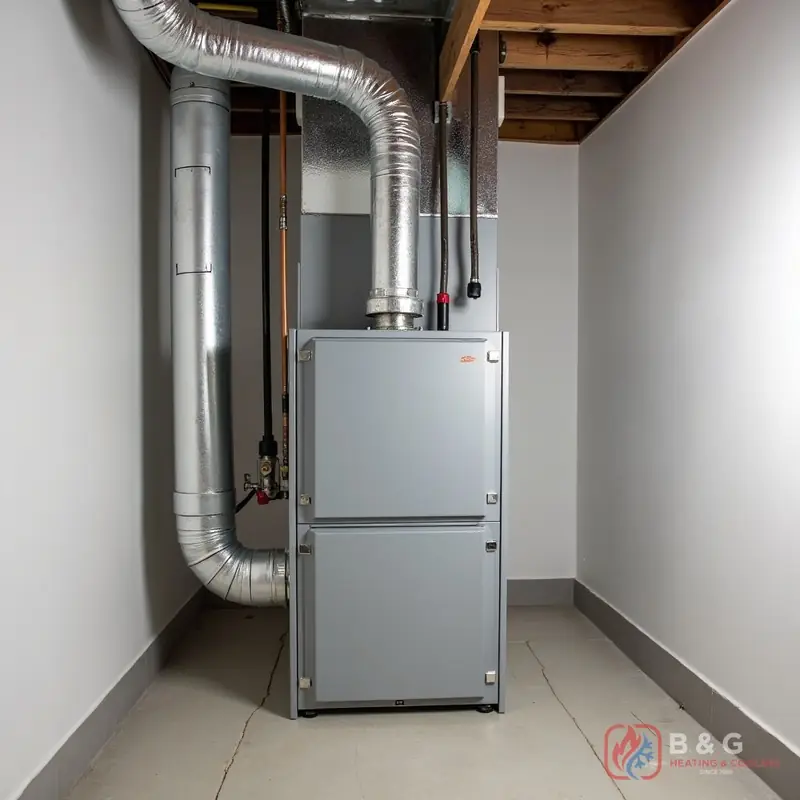
The Complete Guide: How to Prepare Your Heating & Cooling System for Winter
As the cold Burlington winters approach, it is crucial to ensure the readiness of your heating system. Regular heating repair in Burlington is essential to keep your home warm and comfortable as temperatures drop. You should schedule an inspection and repair, if necessary, before the onset of winter to guarantee the system’s efficiency and longevity. […]
Read → 7 Common Furnace Problems You’ll Encounter This Winter
As the winter chill settles in, your furnace becomes a crucial ally in keeping your home warm and cozy. However, like any other machinery, furnaces are prone to issues that can disrupt their efficiency. These problems can range from minor inconveniences to major failures that require immediate attention. Is your furnace showing signs of trouble? […]
Read → How to Help Your Air Conditioner Run More Efficiently
An air conditioning unit is an integral part of any household, especially during the hot summer months. It helps in keeping the indoor temperature at a comfortable level and makes living conditions bearable. However, with frequent usage, it is common for air conditioners to lose their efficiency over time. This can result in increased energy […]
Read →
7 Simple Tips to Lower Your HVAC Bills & Save Money This Lockdown Summer
The more we spend time indoors, the more it becomes crucial to find ways to keep our energy bills in check. One area where significant savings can be made is in the operation of our HVAC systems. By following some simple yet useful tips, you can reduce your HVAC bills and save money without compromising […]
Read → 5 Reasons To Hire a Professional HVAC Expert
When it comes to HVAC systems, it’s most important to keep them well-maintained and in good working order. Unfortunately, some homeowners attempt to perform HVAC repairs and maintenance themselves to save money, which can lead to costly mistakes and even personal injury. Hiring a professional HVAC technician is the best way to ensure your system […]
Read → Why is Your AC Not Shutting Off?
During the hot summer months, having an air conditioner that doesn’t shut off can be a frustrating and costly problem. If you’re facing this issue, it’s essential to find a reliable and trustworthy HVAC service provider to diagnose and fix the problem promptly. B & G Heating Air Conditioning & Ventilation is an AC service […]
Read → Six Important Factors To Install A Ventilation System In Your House
A ventilation system is essential to any home, ensuring that the air inside your home is healthy and safe to breathe. However, while most homes come equipped with some form of ventilation system, it may not be sufficient to meet your specific needs. It is thus essential to consider installing a ventilation system tailored to […]
Read → How Often Do I Need An Ac Unit Tune-Up?
Do you need to have your air conditioner serviced but are unsure how often it should be done? If so, B & G Heating, Air Conditioning & Ventilation can help. Like any other mechanical system, your AC unit requires regular maintenance to keep it working efficiently. Maintaining it well-maintained for a comfortable and healthy living […]
Read → How Should I Maintain My HVAC System?
As a homeowner, you know that your HVAC system is a crucial part of maintaining your indoor environment comfortably. But did you know that HVAC maintenance is essential to keep your system running at peak performance? Not only that, but it can also help you save money on energy bills, extend the life of your […]
Read → What Is Included In Central HVAC Maintenance?
Central HVAC maintenance refers to the regular upkeep and servicing a central heating, ventilation, and air conditioning (HVAC) system. This includes cleaning and replacing air filters, inspecting and cleaning ductwork, and checking and adjusting system components to ensure optimal performance and energy efficiency. B & G Heating Air Conditioning & Ventilation is a reputable HVAC […]
Read → Signs It’s Time to Return the Old Furnace In Your House
The heating appliance in your house may eventually require heating repair to function correctly. Your furnace is one of the most essential systems in your house, but it is also one of the most expensive to replace. You can avoid expensive and problematic heater breakdowns by utilizing comprehensive yearly maintenance programs offered by professional HVAC […]
Read → 4 Definitive Ways to Avoid Paying Hefty Air Conditioning Bills
Air conditioners are a major energy hog, consuming more power than a refrigerator or a washing machine. A single air conditioner can use up to 18,000-kilowatt hours (kWh) of electricity per year, according to the Energy Star website. That’s about as much electricity as it takes to heat and cool your entire home for 8 […]
Read → What Should You Do If You Hear Unusual Noises from Your Heating System?
Some heating systems are known to be noisy. Others run so quietly one can never tell whether there is indeed any HVAC appliance running in the vicinity or not. Whichever heating system you may own, a loud, erratic noise from your furnace or heat pump is not usual and should be looked after by a […]
Read → What Is the Source of The Whirring Problems Stemming from My Furnace?
During the operation of your furnace, you may witness many kinds of noise that either go away eventually or stay throughout the operation. Most of them are just operational noise and shouldn’t call for a furnace repair in Hamilton. However, whirring or humming noises that do not seem to go away or become louder over time […]
Read → How To Make Your HVAC Systems Work Efficiently?
With the onset of winter, homeowners are preparing their furnaces and other heating systems for steadfast use throughout the cold season. An early and thorough examination and servicing ensures that HVAC systems run smoothly with little disruptions in the comfort of the home. If there’s one thing that people want more than consistent heating throughout […]
Read → Why Does My Furnaces Smell When You Turn It On?
Winter has arrived, and it is time for you to turn your furnace on after a long break. You may encounter a few glitches when you first switch on the heater after a prolonged period of not using them, which is totally normal. Smelling an odor is one of them. An unfamiliar odor is not […]
Read → What Is Covered In A Furnace Or Boiler Tune-up?
In layman’slayman’s terms, it means that it’s time to schedule your annual furnace servicing. Regular tuning-up of a furnace or boiler is as essential as its repair to ensure that the furnace works efficiently in the long run. Regular tuning of the furnace helps improve the furnace’s lifespan, avoids heavy bills and repair costs, and […]
Read → Seven Common Air Conditioner odor And Their Meanings
Many of us install air conditioners in our homes to feel more comfortable. When your cooling system begins to emit unpleasant odors, it’s more than just annoying. It can have a significant impact on your home’s comfort level. Why does my air conditioner have a foul odor when it’s running? Freon smells like chemicals. What […]
Read → Air Conditioning Repair Warning Signs
During the hot summer months, your dependence on your air conditioner increases. Air-conditioned rooms are one of life’s pleasures on hot days. However, if you have not serviced it regularly, you may find that your air conditioner is not operating correctly when you need it. It’s not difficult to identify if your air conditioning system […]
Read → Improve Your Air Ventilation Through Duct Maintenance and Cleaning
With people spending the last year at home, it’s important to think about the ventilation of your home. There exist responses that you can adopt to keep the air in your house well-ventilated, cut down on energy costs, and keep yourself healthier. Let’s start with learning the basics. What is an air duct? In layman’s […]
Read → Benefits of Preventive AC Maintenance
Do you ignore your car when it comes to taking it to the service center for a regular checkup? If the answer to this is a big ‘No,’ then we certainly don’t have to tell you why it is crucial to get your AC serviced on a regular basis. However, just in case you have […]
Read → Benefits of Preventive HVAC Maintenance and Why You Shouldn’t Be Ignoring It!
One of the best things about HVAC systems, besides keeping us comfortable all year round, is that they are low maintenance. However, many of us tend to confuse ‘low maintenance’ with ‘no maintenance’. We ignore the preventive maintenance of our HVAC systems as long as they hum along fine or until any malfunction occurs. But […]
Read → How Prompt Heating Repairs Benefit You
The last thing you would ever want on a chilly winter night is a broken furnace. Furnaces are indeed long-lasting HVAC equipment, but let’s face it, they are not invincible. Your furnaces can fall prey to many electrical faults in a snap, if not worked upon properly. Thus, we suggest that you keep your HVAC […]
Read →Ask us directly — straight answers are kind of our thing. Or browse our services and common questions.