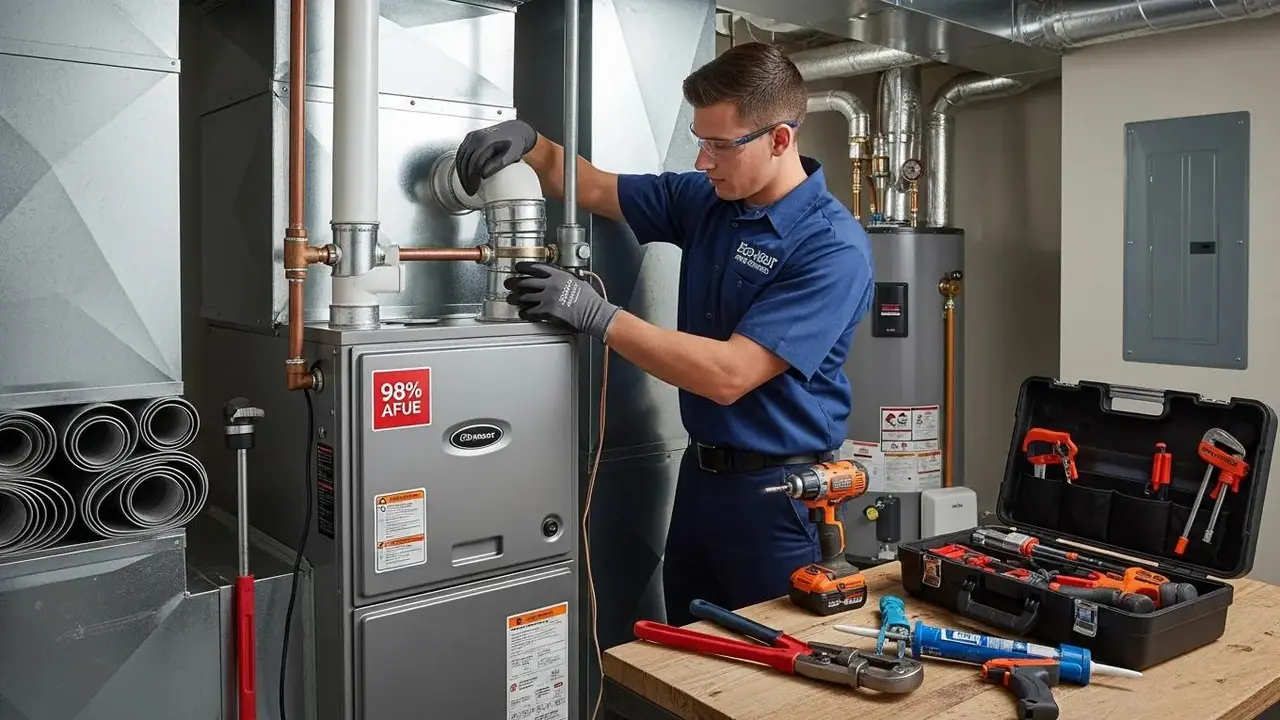

If you've gathered quotes for a new furnace, AC, or heat pump, you've probably noticed something uncomfortable: the numbers are all over the place. Same house, same rough scope of work — and one contractor is thousands of dollars above another. It's the number one thing homeowners ask us about, so let's open up an estimate and walk through how a fair one is built.
The five parts of every real estimate
1. The load calculation
Before anyone can honestly tell you what equipment you need, they have to know how much heating and cooling your home actually calls for. That's a heat-loss/heat-gain calculation — square footage, insulation, window area, air-tightness, orientation. In Hamilton's climate, an older brick home near the escarpment and a new build in Binbrook with the same floor area can need very different systems.
What to watch for: if a contractor sizes your new system by reading the label on your old one, the sizing error of 1989 just became the sizing error of today. Oversized equipment short-cycles, wears out early, and never dehumidifies properly.
2. The equipment line
Brand, model number, capacity, and efficiency rating — written down, not "a high-efficiency furnace." Model numbers let you verify the tier of equipment you're paying for. A two-stage 96% furnace and a builder-grade single-stage unit can look identical in a vague quote and differ by a lot in comfort and operating cost.
3. The installation scope
This is where good companies earn their keep and where padded quotes hide. The scope should name what's changing: venting, gas line, electrical, condensate drainage, ductwork transitions, thermostat, permits. If your estimate is one line — "supply and install furnace" — you can't compare it against anything.
4. The commissioning step
New equipment has to be set up, not just connected. Gas pressure, temperature rise, static pressure, refrigerant charge — these get measured and adjusted to your home, and the numbers should be recorded. Skipped commissioning is the most common reason a brand-new system underperforms.
5. Warranty and what it actually covers
Parts warranties come from the manufacturer; labour warranties come from the installer. Ask for both in writing, and ask what would void them. A ten-year parts warranty means less than it sounds like if the labour to install those parts is billed at full rate.
A fair estimate is one you can hand to another contractor and have them understand exactly what was quoted. If it can't survive that test, it isn't finished.
Why we give free second opinions
We'd rather spend thirty minutes confirming that another company quoted you fairly than have any Hamilton family overpay because they had no way to compare. Sometimes we look at a competitor's quote and say "that's a good price — take it." That honesty costs us a sale now and then. It's also why we're still here after 35+ years.
If you have a quote in hand and something feels off — the price, the sizing, the pressure to sign today — send it to us. Family owned and focused: your family matters to us, whether or not you ever become a customer.