You wake up at 2 a.m. and the house is wrong — too quiet, too cold. The thermostat says 15°C and falling. Here's exactly what to do, in order, from a company that's answered that phone call for 35+ Hamilton winters.
First: how urgent is this, really?
Two questions set the clock:
- How cold is it outside? At -15°C a house loses heat fast and pipes are in play within hours. At +2°C, you have until morning, comfortably.
- Who's in the house? Babies, elderly family members, or anyone medically vulnerable moves this to "call now" territory regardless of the forecast.
The five-minute triage
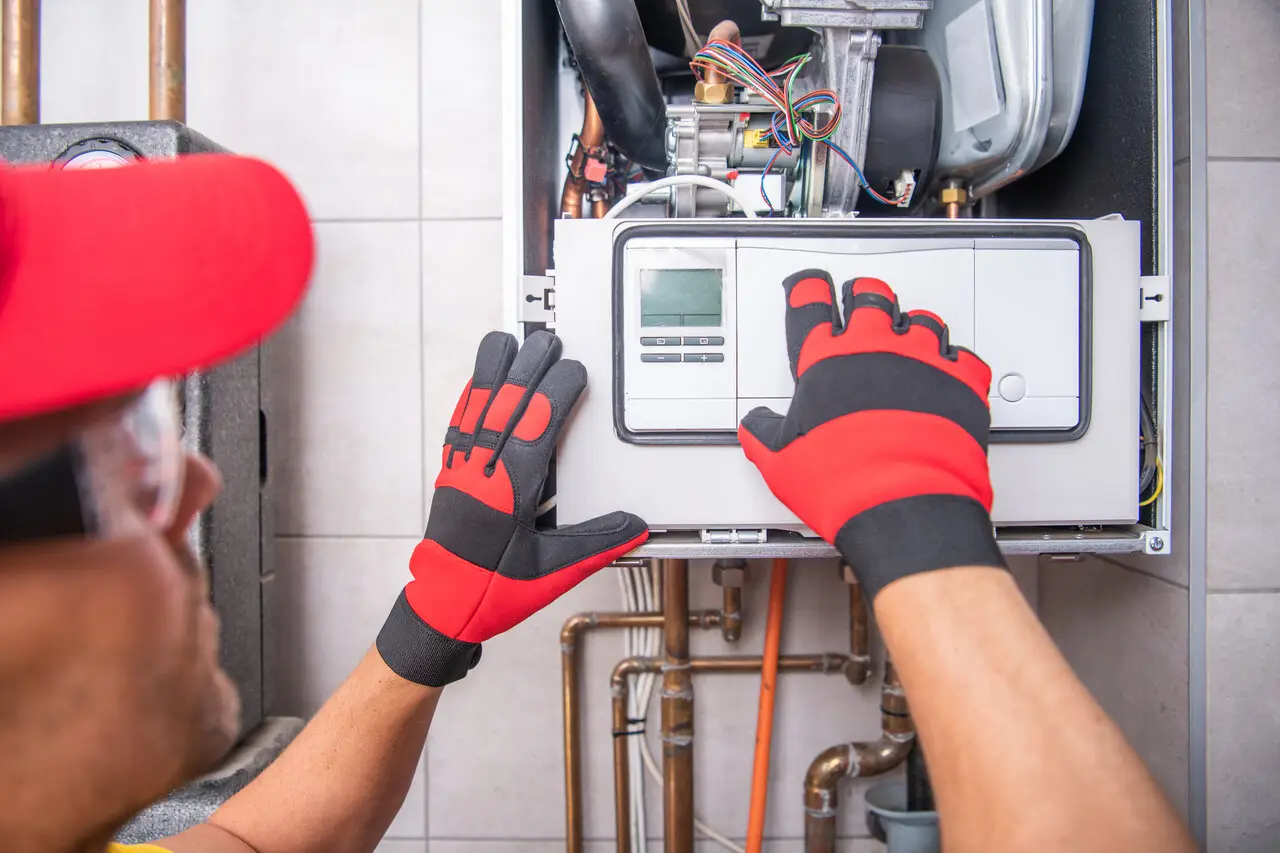
Before anything else, run the quick checks — thermostat on Heat with live batteries, filter not clogged, the light-switch-looking service switch on, the breaker not tripped, and the two white vent pipes outside not packed with snow. (Our furnace troubleshooting guide walks each step.) Roughly half of middle-of-the-night no-heat calls end at one of those five. If the furnace relights — stay up twenty minutes to confirm it keeps running.
If you smell gas: skip everything. Everyone out, call the gas utility's emergency line from outside, then call us. Nothing else on this page applies.
If it won't relight: protect the house
- Slow the heat loss. Close doors to unused rooms, drop blinds and curtains (a surprising amount of insulation), block door drafts with towels.
- Protect the pipes — this is the real money risk. Open cabinet doors under sinks on exterior walls; set faucets farthest from the water meter to a pencil-thin trickle. Moving water resists freezing, and a burst pipe costs many times any furnace repair.
- Space heaters, safely: one per circuit, three feet from anything soft, never unattended, never an extension cord. Consolidate the family into one or two rooms and heat those.
- Never use the oven, BBQ, or any outdoor burner for heat — carbon monoxide has ended worse nights than a cold one.
Call now or wait for morning?
Use the 24/7 line now if: it's -10°C or colder, the indoor temperature is dropping fast, anyone vulnerable is home, or you saw water/ice anywhere near plumbing. That's precisely what the emergency line is for — you will never be made to feel silly for using it.
Waiting for morning is reasonable if: it's mild out, the house is holding in the high teens, and everyone's healthy. You'll sleep under an extra duvet and often pay a regular-hours rate instead of an emergency one — we'll always be straight with you about that difference on the phone.
The part where we're honest about prevention
Most 2 a.m. failures are 2 p.m. problems that went unnoticed: the igniter that had been struggling for weeks, the filter from two winters ago. A fall tune-up catches nearly all of them — it's the whole reason maintenance plans exist. But when the bad night happens anyway, the number on our site rings a real person at any hour. Family owned and focused, since 1989 — your family matters to us, especially at 2 a.m.